ASUS ROG Strix G16 Review: High-Performance Gaming Laptop
ASUS ROG Strix G16 Review
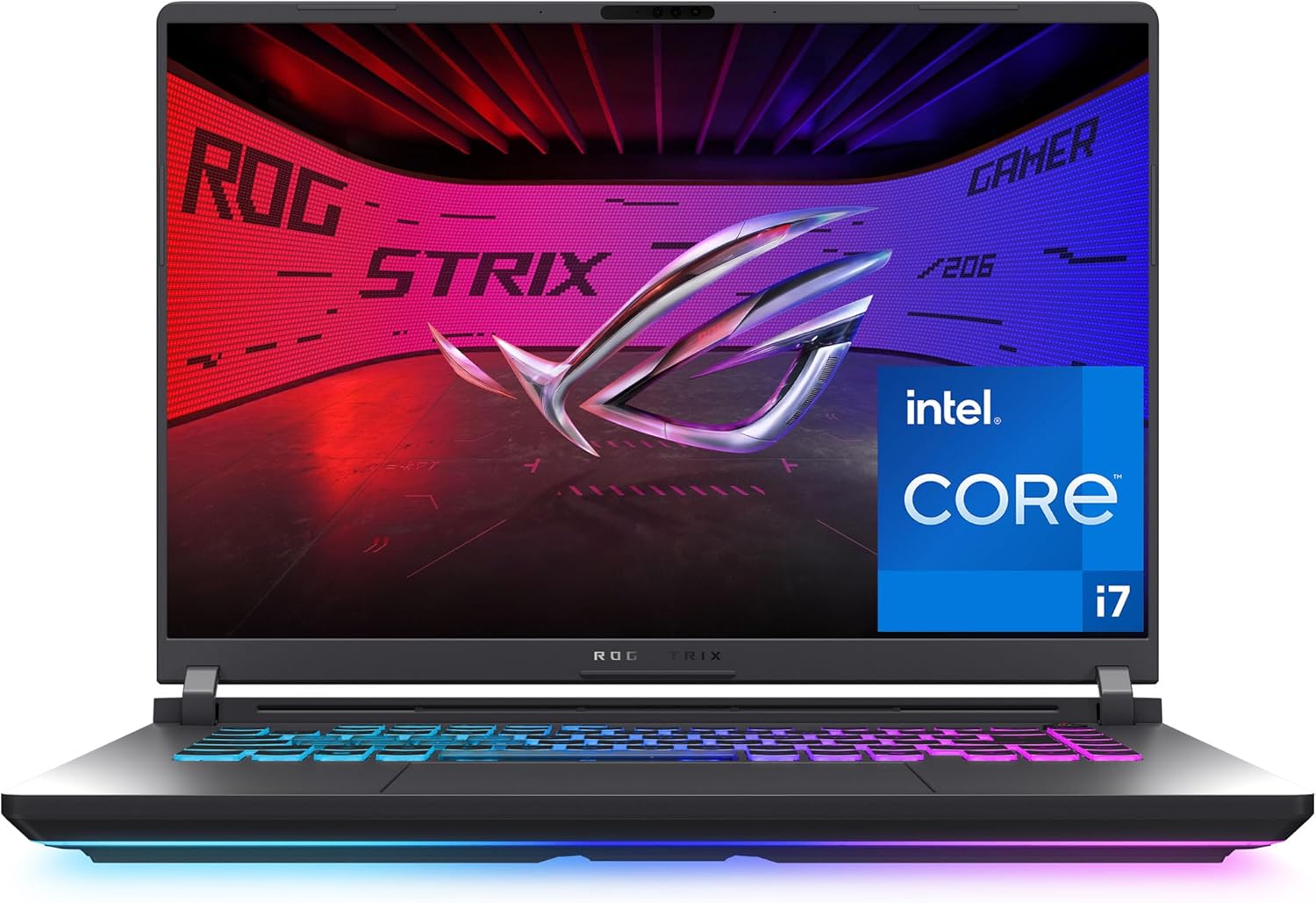
My first encounter with the ASUS ROG Strix G16 Review unit left me feeling conflicted. The chassis is a dense, unapologetically plastic-heavy affair that leans into the “gamer” aesthetic with aggressive lines and a chassis geometry that screams for attention. While the weight is manageable for a 16-inch footprint, I found the lack of premium aluminum on the deck a bit disappointing at this price point. The lid has a slight flex under pressure, which makes me question the long-term structural integrity when tossed into a backpack daily.
Aesthetics aside, the build quality feels focused on utility rather than luxury. I appreciate the rear-exhaust port design which keeps the side profile cleaner for mouse movement, but the heavy use of translucent plastic accents feels like a cost-cutting measure disguised as a stylistic choice. It sits on the desk with a firm grip, thanks to the substantial rubber feet, but the overall tactile experience doesn’t scream high-end, even if the structural rigidity is adequate for a mobile gaming rig.

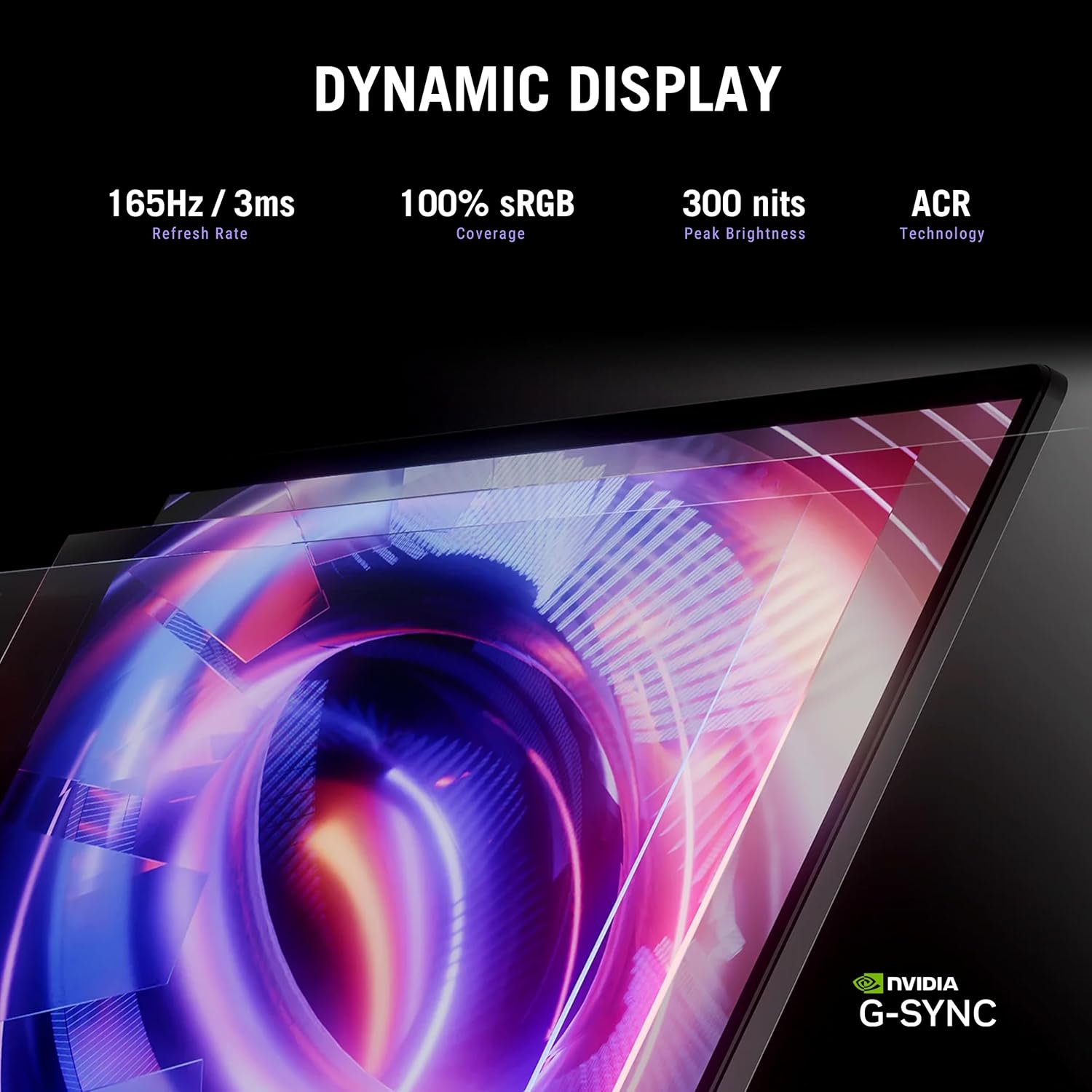
The display panel on this machine is a curious inclusion. At 16 inches, the FHD+ resolution looks perfectly fine for fast-paced gaming where motion clarity is the priority, but don’t expect the crispness of a QHD or 4K panel for productivity tasks. The 165Hz refresh rate keeps everything feeling fluid, and the matte coating does a decent job of diffusing overhead glare, though the peak brightness leaves much to be desired when working in a well-lit office environment.
Audio is another area where I found the output to be strictly average. The downward-firing speakers struggle with deep bass, often resulting in a hollow sound profile that muddies the midrange during intense action sequences. While the volume gets loud enough to drown out the fan noise at lower RPMs, I wouldn’t rely on these for anything other than casual alerts or quick YouTube clips. If you care about your soundstage, keep a pair of headphones on standby at all times.
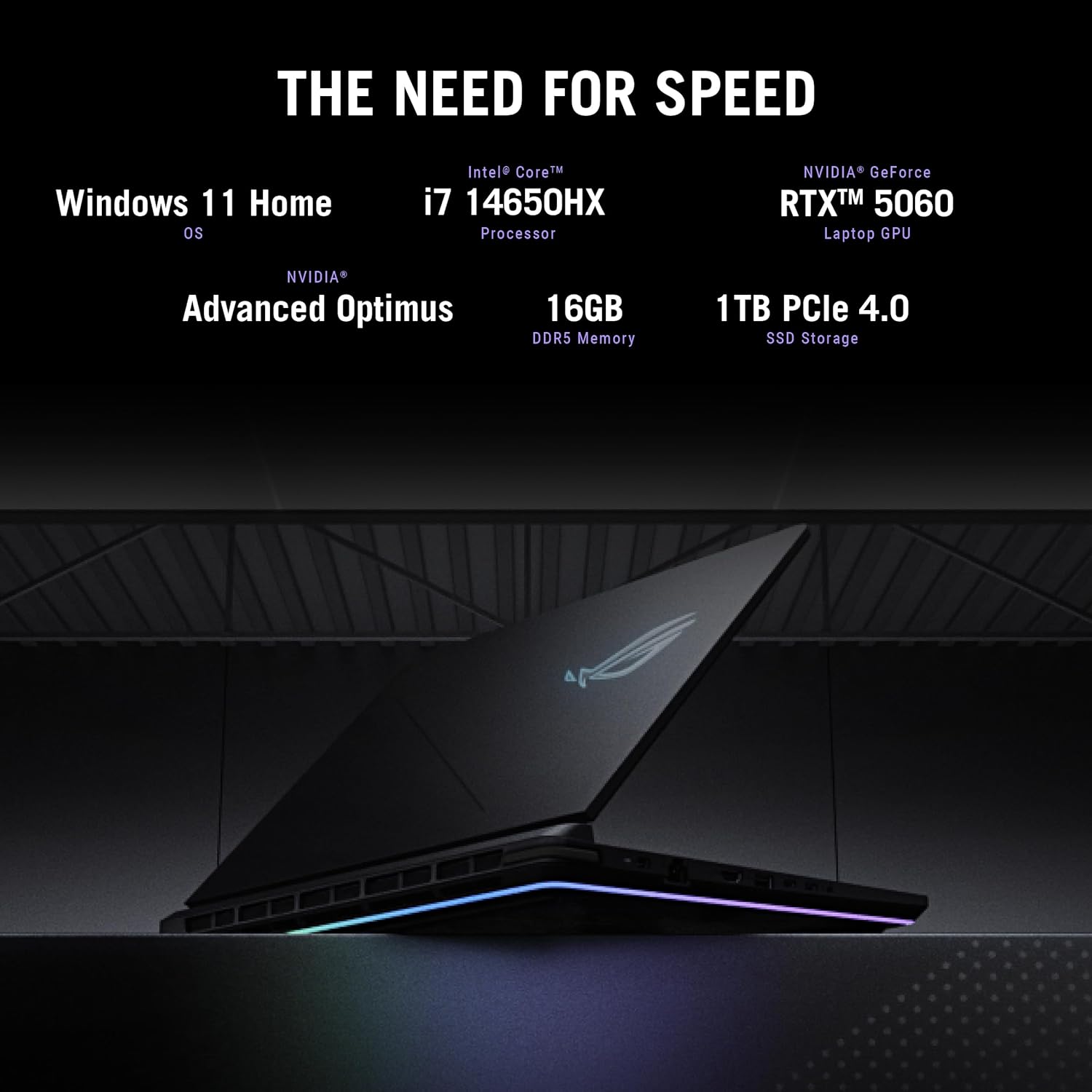
Real-world performance on this laptop is dictated by the limitations of its thermal headroom. While the Intel Core i7 14650HX is a capable processor for heavy lifting, I noticed that under sustained multi-core loads, the system manages heat by pulling back on clock speeds rather aggressively. It handles modern titles with moderate settings quite well, pushing frame rates that satisfy the high refresh rate screen, but do not expect to max out settings on the latest unoptimized AAA releases without noticing the occasional frame time spike.
Multitasking is where I felt the 16GB of DDR5 memory starting to show its age. If you are a browser-tab hoarder like me, you will find the system hitting its limit sooner than you might like. I found that switching between creative suites and gaming clients caused stuttering that could be avoided with a higher RAM ceiling. The SSD performance is snappy enough for load times, but power users will likely want to upgrade the storage capacity as soon as the drive fills up with modern game installation sizes.
Battery life is the usual Achilles’ heel of high-performance gaming laptops, and this model does little to change the narrative. Even with lighter productivity loads, I struggled to make it through a standard workday without hunting for an outlet. The power brick is a brick in the literal sense—heavy and cumbersome—which effectively tethers you to a desk if you want to tap into the full potential of the GPU and CPU.
Thermal management is handled by the internal vapor chamber and triple-fan array, which are effective but undeniably noisy. When the fans spin up to combat the heat generated by the Blackwell-based GPU, the noise profile becomes a high-pitched whine that is hard to ignore without noise-canceling headphones. Connectivity is generous, providing enough ports to avoid a dongle-hell scenario, but the placement of the rear ports can be annoying if you have thick, rigid cables that clash with the lid hinge.
The biggest flaw here is the mismatch between the high-end processor and the base-tier RTX 5060 GPU. ASUS seems to have spent a massive portion of the budget on the CPU and the flashy RGB light bar, leaving the actual graphical horsepower in a middle-ground that will struggle to remain relevant in three years. You are essentially paying for a high-performance engine inside a frame that is throttled by a midrange graphics chip, which feels like a fundamental misallocation of resources.
Furthermore, the decision to stick with a base 16GB RAM configuration in 2025 is a blatant attempt to keep the entry price looking attractive on retail pages. It forces the end user to perform their own upgrades, which, while technically accessible, is an unnecessary hurdle for a machine at this price point. It is a classic move to make the product look competitive, while secretly knowing the user will be forced to spend more money and time to make the machine truly usable for modern workloads.
This machine is built for the student gamer or the entry-level enthusiast who wants the “ROG” badge without spending the premium required for the higher-tier GPU stacks. If you play strictly competitive esports titles where frame rates matter more than visual fidelity, you will be satisfied. However, if you are a creator who needs color accuracy, or a hardcore gamer who demands the best lighting and texture details, you should absolutely avoid this.
The target audience is someone who values the ASUS ecosystem and wants a machine that looks the part but doesn’t necessarily need the absolute ceiling of graphical performance. If you are someone who likes to tinker with BIOS settings and perform hardware upgrades, you might enjoy the accessibility of the internals. But if you want a machine that is perfect out of the box without needing to swap parts or constantly adjust thermal profiles, look elsewhere.
When I look at long-term value, I have to be realistic: this is not a five-year computer. The combination of the thermal constraints and the mid-range GPU means that as game engine requirements move forward, this machine will be the first to show its age. You are paying for the brand name and the aesthetic, not for a future-proof internal configuration. If your goal is to use this for three years and then offload it, you might find the value acceptable, but don’t expect it to be a powerhouse by the end of that cycle.
Investing in this level of hardware requires a careful look at what else is on the market. While the branding is strong, the raw utility per dollar is often eclipsed by more understated laptops that put their budget into better cooling and higher-tier GPUs rather than RGB light strips and aggressive chassis molding.
| Feature | ASUS ROG Strix G16 (2025) | Lenovo Legion Slim 5 (Gen 9) |
|---|---|---|
| Processor | Intel Core i7-14650HX | AMD Ryzen 7 8845HS |
| GPU | NVIDIA RTX 5060 | NVIDIA RTX 4060 |
| RAM | 16GB DDR5 | 16GB DDR5 |
| Estimated Price | $1,413.00 | Check Latest Price |
The Final Verdict
Ultimately, this device is a mixed bag. It hits the marks for a specific demographic that prioritizes branding and lighting over raw performance efficiency, but it fails to impress as a serious workhorse for anyone demanding longevity. If you buy this, be prepared to live with its limitations.
|
|