DJI Osmo Pocket 3 Review: The Ultimate Compact Vlogging Camera
DJI Osmo Pocket 3 Review: The Honest Truth
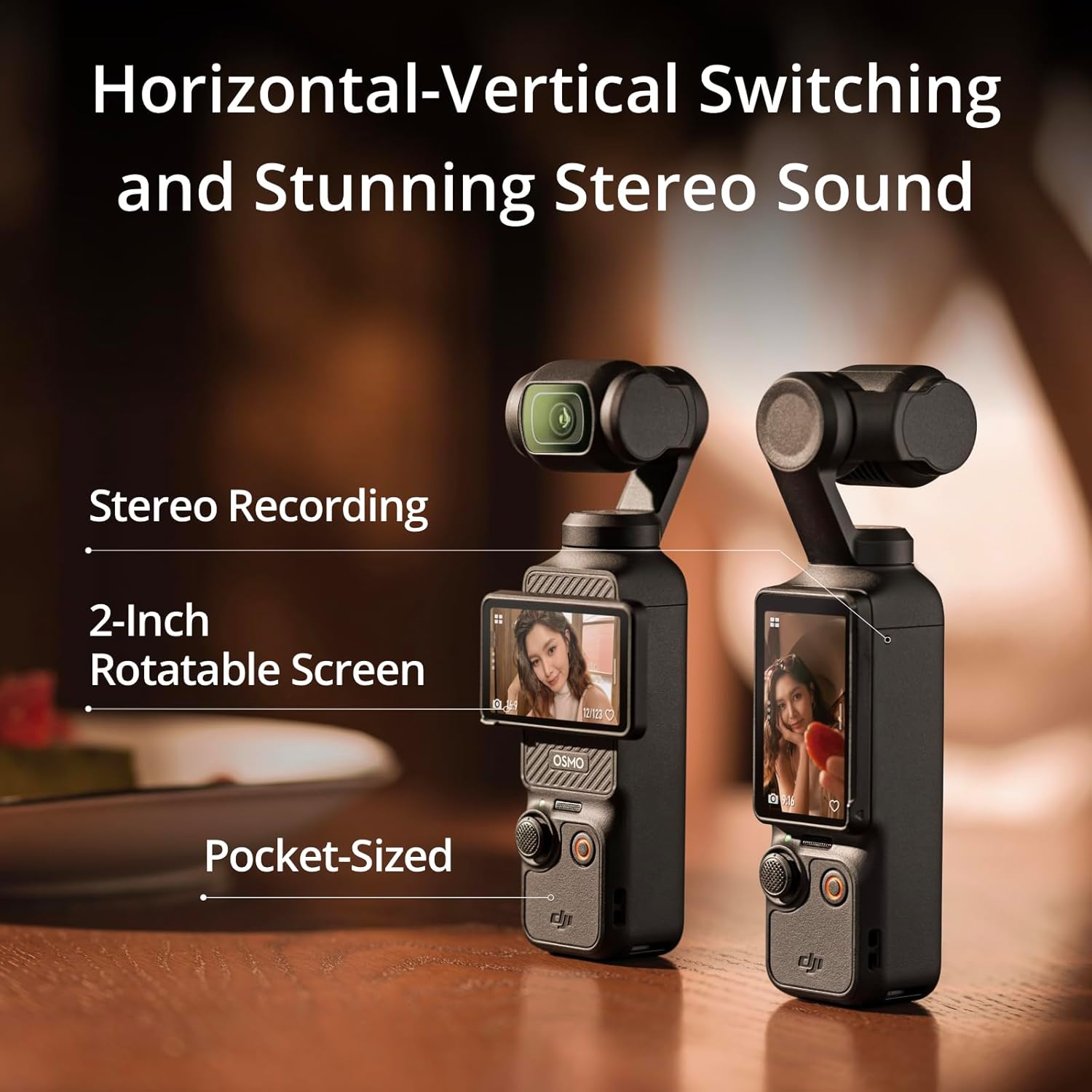
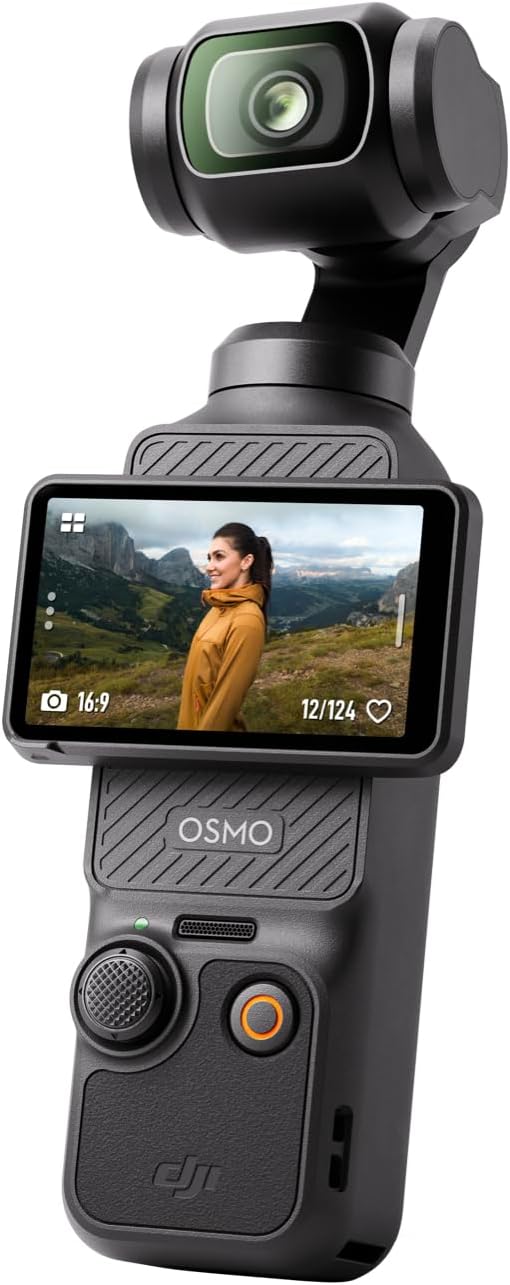
I have spent enough time with the DJI Osmo Pocket 3 to understand exactly what it is trying to be, and more importantly, what it is trying to hide. Out of the box, the first thing that strikes me is the sheer audacity of the form factor. It feels like a piece of high-end consumer electronics that skipped the awkward puberty of its predecessors. The chassis is dense, the plastics feel premium enough to justify the price tag, and the rotating screen mechanism feels satisfyingly tactile. It is a tiny, mechanical marvel that fits in a pocket, which is exactly what the marketing promises.
However, my first impression also includes a healthy dose of skepticism regarding the build materials. While it feels solid, the exposed gimbal motors always worry me. Carrying this device without the provided case feels like an invitation to break it within a week. It is a precision tool, not a rugged action cam, and despite its small weight, it has a center of gravity that makes it feel precarious when held in a single hand for extended periods.

Display and Audio Performance
The 2-inch touchscreen is the star of the show. It is bright, responsive, and arguably the most functional screen I have ever seen on a device of this size. Rotating it to switch between landscape and portrait orientations feels natural, and the UI is snappy enough that I rarely find myself frustrated by input lag. The color accuracy is sufficient for checking focus and exposure, though I would never dream of using it for critical color grading work. It is a framing tool, and in that regard, it excels.
Audio is where my opinion gets complicated. The internal stereo microphones are better than what you get on most smartphones, but they are still plagued by the realities of being trapped in a tiny plastic body. They lack the richness and low-end definition I demand for professional vlogging. While they capture voices well enough in quiet environments, wind noise becomes a significant headache almost instantly. You are essentially forced into buying external wireless transmitters if you want audio that actually sounds respectable.
Real-world performance on this device is a mixed bag of impressive engineering and annoying software limitations. The 1-inch sensor produces images that look fantastic in decent lighting, but the moment the sun drops, the noise floor creeps in noticeably. I have found that the autofocus is incredibly fast, locking onto eyes and objects with a persistence that makes me forget I am using a consumer-grade camera. It tracks subjects through complex movements without much fuss, making it a genuinely useful tool for solo creators.
My daily multitasking with this camera reveals some bottlenecks, specifically regarding the software ecosystem. The Mimo app is a chore to manage, especially given the hoops you have to jump through just to keep it updated. When I push the camera hard, specifically by shooting at high frame rates for extended periods, the device becomes warm to the touch. It is not an overheating mess, but it does make me worry about the long-term longevity of the internal battery and storage controller.

Battery Life, Thermals, and Connectivity
Battery life is the reality check I always keep in the back of my mind. It is perfectly adequate for a quick trip to the park, but it is not a workhorse. If you are planning a full day of shooting, you are essentially required to carry a power bank or a dedicated charging handle. The charging speeds are decent, meaning you can get back to business quickly if you have a high-wattage charger, but the lack of a charger in the box is a cheap oversight that annoys me.
The thermal management is another point of concern. The device is small, and as such, it sheds heat through the casing. When shooting in high-performance modes, the unit gets palpably warm. Regarding connectivity, the port situation is fine for a device this size, but the lack of a standard internal storage buffer means you are entirely dependent on your microSD card performance. Do not skimp on the card, or you will experience dropped frames and file corruption that will ruin your day.
The Biggest Flaw
The most egregious flaw in the DJI Osmo Pocket 3 is the fragility of the mechanical gimbal. Every time I turn it on and watch it calibrate, I am reminded that there are tiny, delicate motors and ribbons that have to survive the vibrations of a backpack or a pocket. It is a major vulnerability that the manufacturer glosses over in their glossy ads. If you drop this once, you are likely looking at a paperweight rather than a repairable device.
Furthermore, the dependency on the Mimo app is a massive oversight. Modern content creation requires a smooth workflow, and being tethered to a proprietary app that has been booted from major app stores creates a friction that I find unacceptable. It feels like the device is held hostage by its own software. You are buying a premium camera, but you are being treated like a beta tester for their mobile infrastructure.
Target Audience and Verdict
Who should buy this? If you are a solo traveler or a casual vlogger who needs something that fits in a jacket pocket and provides stabilized footage better than a phone, this is your best option. It is a specialized tool for people who value convenience above all else. However, if you are a professional videographer looking for a B-camera or a replacement for a mirrorless setup, look elsewhere. The sensor is great for its size, but it is still a small sensor.
Those who should absolutely avoid this are the rugged adventurers. If you are mountain biking, surfing, or doing anything where the camera is likely to take a tumble, this will shatter. It is a fragile, precision instrument. If you need something that can handle abuse, buy a dedicated action camera instead. This is for the urban creator, not the extreme athlete.
Long-Term Value
Is the price justified for three years of use? Only if you treat it with extreme care. Because of the mechanical nature of the gimbal and the non-removable battery, this device has a built-in expiration date. You are essentially paying for a high-quality video experience that will degrade as the battery capacity diminishes and the mechanical parts wear down. It is not an heirloom device; it is a consumable tool that you will likely replace in a few years when the battery stops holding a meaningful charge.
Comparison and Final Thoughts
When I stack this against competitors, it becomes clear that DJI is winning on sheer mechanical innovation, even if the software leaves a lot to be desired. While other cameras might offer slightly better raw dynamic range or more robust weather sealing, none of them combine the gimbal stabilization with this specific footprint. It occupies a unique space, but it is not without alternatives that offer better durability at the cost of the stabilized “gimbal look.”
| Feature | DJI Osmo Pocket 3 | Insta360 Flow Pro |
|---|---|---|
| Sensor Size | 1-inch CMOS | N/A (Smartphone Gimbal) |
| Stabilization | 3-Axis Mechanical | 3-Axis Mechanical |
| Estimated Price | $423.00 | Check Latest Price |
The Verdict
My final take is simple: buy this if you value the mechanical stabilization and the convenience of the form factor above all else. It is a fantastic tool that delivers on its core promise of smooth, high-quality vlogging footage. Just be prepared to deal with the fragile nature of the build and the limitations of the software ecosystem. It is a device that forces you to compromise, but for many, the quality of the output will be worth the trade-offs.
|
|