Ray-Ban Meta Review: Are These Smart AI Glasses Worth It?
Breaking Down the Ray-Ban Meta Review
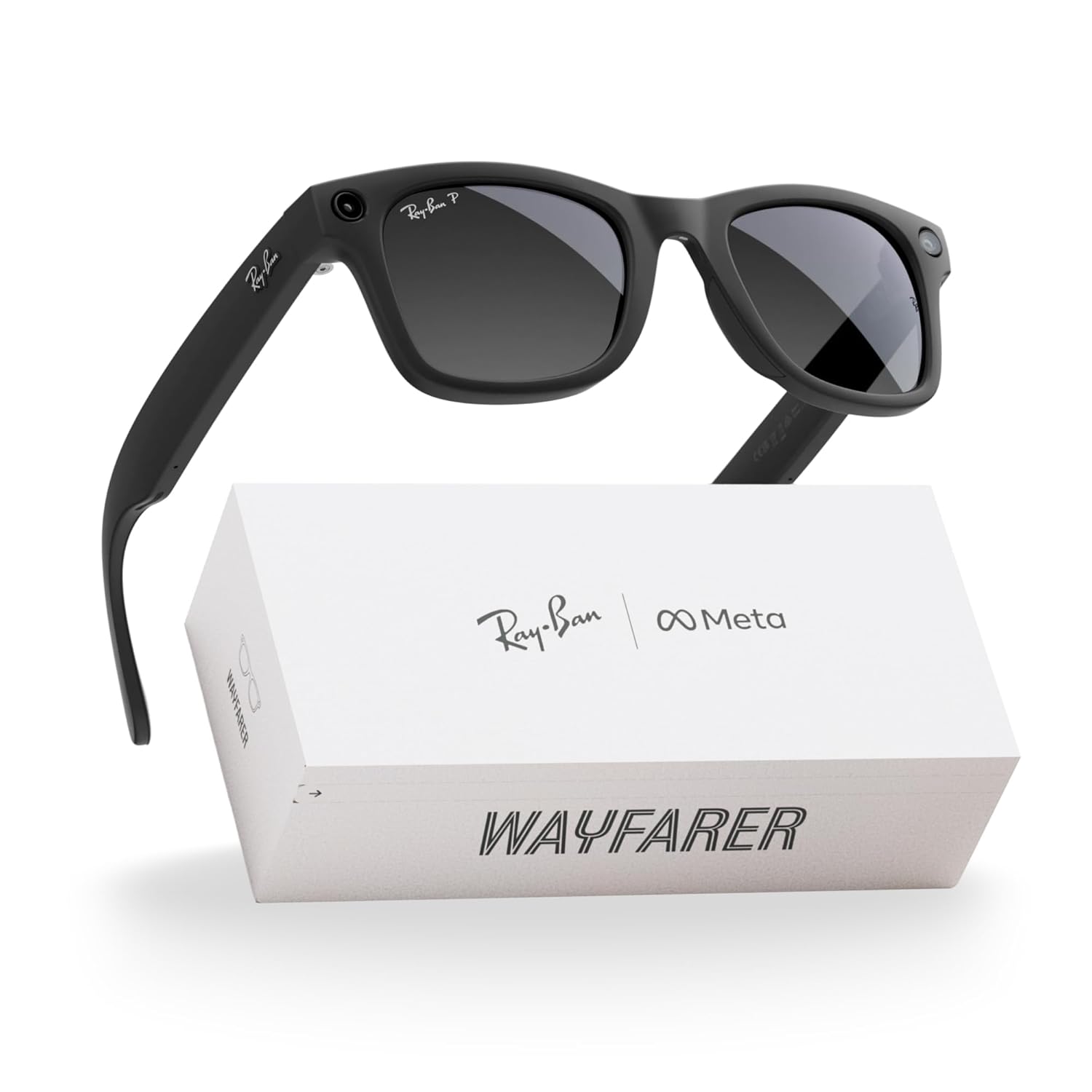
My initial encounter with these frames was defined by a lingering sense of skepticism regarding whether they could actually pass as standard eyewear. I pulled the Ray-Ban Meta out of the packaging and immediately noted that the matte black finish feels substantial, lacking that hollow, plasticky resonance common in cheaper wearables. The weight distribution is surprisingly balanced; despite the integration of camera sensors and internal batteries, they do not slide down my nose during casual movement. The hinges feel reinforced, avoiding the brittle snap-back I expect from high-tech gear that sacrifices traditional build quality for circuitry.
The aesthetic, fortunately, retains the classic Wayfarer silhouette without looking like a bulky science project. I spent a full afternoon wearing them in a coffee shop, and most people simply assumed I was wearing high-end sunglasses. The gloss and texture of the frame feel premium to the touch, and the charging case—which doubles as a hard-shell protective sleeve—is robust enough to survive being tossed into a packed backpack. This is a design that prioritizes social camouflage, and for the most part, it succeeds where previous iterations failed.
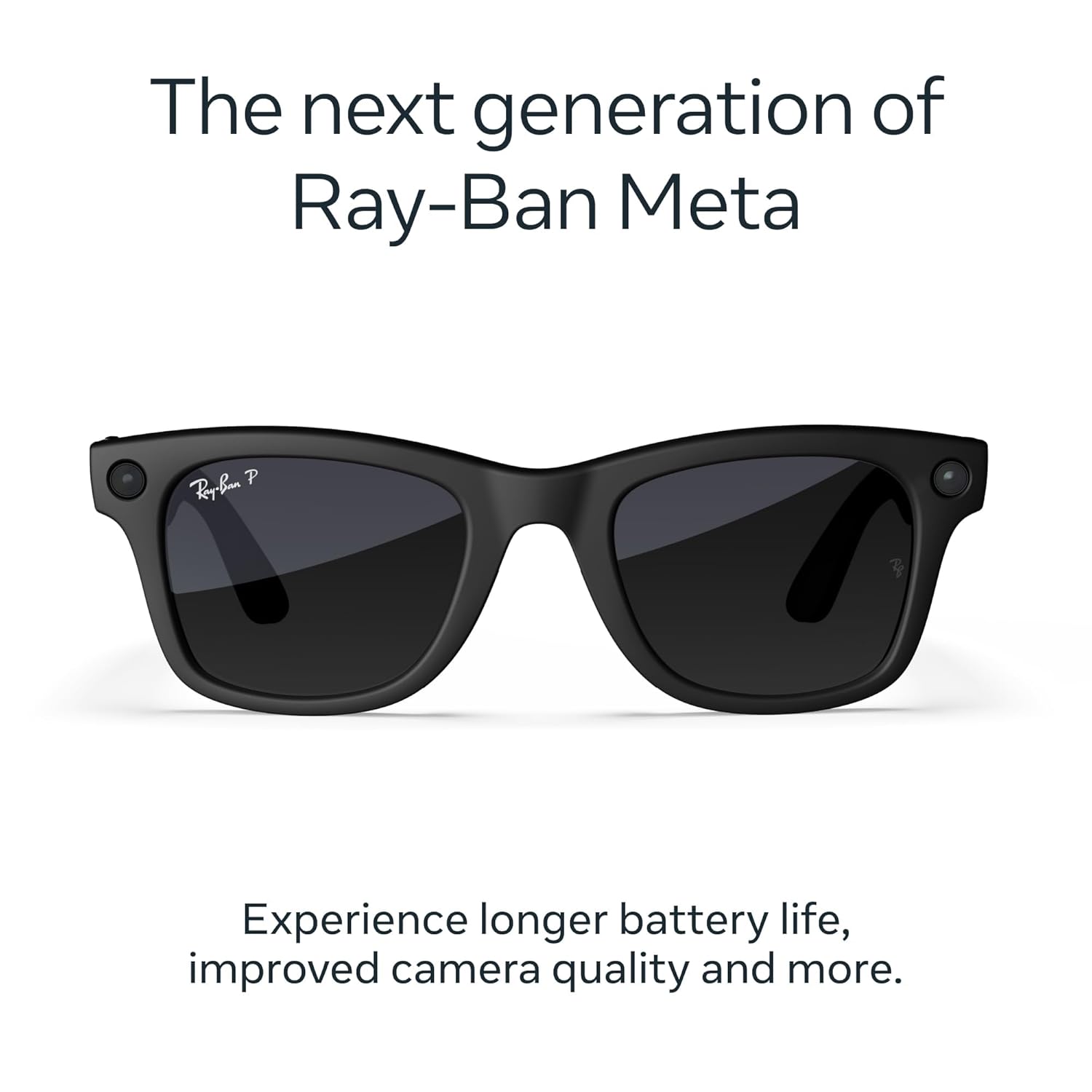
The optical performance of the lenses is exactly what I expect from a brand that built its reputation on eyewear. The polarized gradient graphite lenses provide a crisp, glare-free view that rivals my dedicated designer shades. The color accuracy remains neutral, and I noticed minimal peripheral distortion when looking through the edges of the frames. It is a relief that the “smart” components do not force a compromise on the primary function of the product, which is shading your eyes from the sun.
Audio quality is a different beast entirely. The open-ear speakers are surprisingly capable of delivering podcast dialogue with clarity, but they lack any meaningful low-end response. When I played music with heavy bass, the sound felt thin and lacked the authority of true closed-back hardware. In quiet environments, the audio is pleasing, but in a loud urban setting, the ambient noise easily bleeds through. They are excellent for background music or private voice calls, but audiophiles looking for a substitute for high-end earbuds will be disappointed by the lack of isolation.
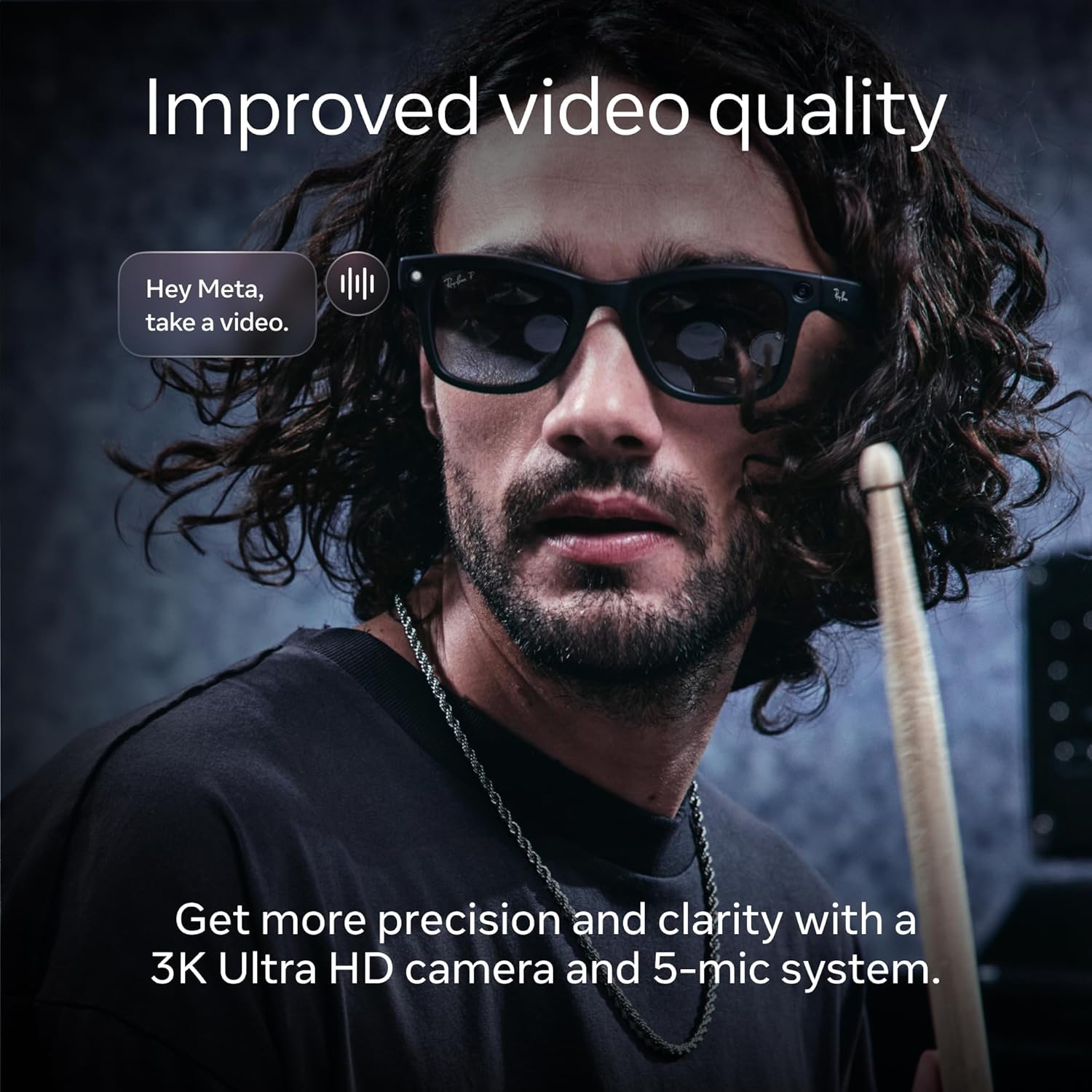
Performance in the real world is a series of trade-offs between convenience and software limitations. I found the camera sensor to be perfectly adequate for snapping quick, first-person perspective shots without stopping to pull out my smartphone. However, the software processing leans heavily toward over-sharpening in low light, leading to grainy textures that look processed rather than organic. Navigating the Meta AI integration feels snappy enough, but there is a noticeable latency when requesting translations or complex queries that require cloud processing.
Multitasking is where I found the most frustration. Trying to record a video while simultaneously listening to a high-bitrate audio stream causes the system to stutter occasionally. It is clear that the onboard processor is tuned for efficiency rather than raw throughput. For capturing spontaneous moments during a commute or a hike, it functions as a reliable companion, but it is not a production-grade tool. I found myself frequently relying on voice commands, which recognize my input with high accuracy, even when walking down a windy street.

Battery life is improved over the previous generation, yet it still dictates how I use the device. I can squeeze out several hours of intermittent use, but once I start streaming audio or capturing high-definition video, that window shrinks rapidly. The thermal management is decent, though the right temple of the frame gets noticeably warm during intensive video recording sessions. This heat is not uncomfortable, but it serves as a constant reminder that I am wearing a miniature computer against my temple. The ports on the charging case are solid, and the magnetic connection for the frames is intuitive and firm.
Connectivity is generally stable, though I experienced a few instances where the initial handshake between the glasses and my phone failed, requiring a quick reboot of the app. The range is decent, allowing me to wander a few rooms away from my handset without losing the audio stream. However, the reliance on the companion app for managing media and firmware updates feels like a tether I wish I could cut. The charging speed is sufficient, but you must carry the dedicated case if you plan on using these for a full day of heavy exploration.
The biggest flaw that the manufacturer seems to gloss over is the lack of true modularity. When the battery eventually degrades—as all lithium-ion cells inevitably do—the entire frame becomes a heavy, non-functional paperweight. There is no path for repair or battery replacement, which feels particularly egregious given the premium price point. They are selling you a high-tech fashion accessory that has a hard expiration date, a fact that is conveniently buried in the fine print of the marketing material.
Beyond the battery obsolescence, the privacy indicators are a constant point of friction. While I understand the legal necessity of the LED light that triggers during recording, its presence is a visual “tell” that strips away the subtlety of the device. If you are trying to capture natural, unscripted moments, people often notice the light and change their behavior. It is a necessary trade-off for privacy, but it creates a social awkwardness that limits the device’s usefulness as a “candid” camera.
I see these frames being most useful for content creators, outdoor enthusiasts, or individuals who constantly juggle multiple digital streams while on the move. If you live your life through a lens and want a hands-free way to document your day while keeping your phone in your pocket, this is a compelling tool. However, if you are expecting a primary audio device or a replacement for a dedicated camera, you should absolutely avoid these. They are a luxury convenience, not a replacement for high-performance hardware.
The long-term value of this device is shaky at best. Within three years, the hardware will likely feel sluggish, and the software ecosystem supporting it may shift, leaving the glasses behind. While the build quality of the physical frames is sturdy enough to last a decade, the internal tech will be obsolete long before the hinges wear out. Unless you view this as a disposable piece of tech that justifies its cost through two years of active use, the price-to-value ratio is difficult to defend.
The Competitive Landscape
Comparing this to the market reveals a distinct gap between fashion-forward tech and pure optical performance. While other competitors offer superior audio isolation, none match the integration of the Meta ecosystem.
| Feature | Ray-Ban Meta (Gen 2) | Amazon Echo Frames (3rd Gen) |
|---|---|---|
| Estimated Price | $349 | Check Latest Price |
| Camera | 12 MP Ultra-Wide | None |
| Audio | Open-ear speakers | Open-ear speakers |
| AI Integration | Meta AI | Alexa |
Verdict and Final Thoughts
The Ray-Ban Meta represents a bold attempt to make smart glasses feel normal, succeeding in form but struggling with the long-term reality of digital obsolescence. For the right user, the utility of the camera and AI integration outweighs the lack of repairability and audio limitations.
|
|